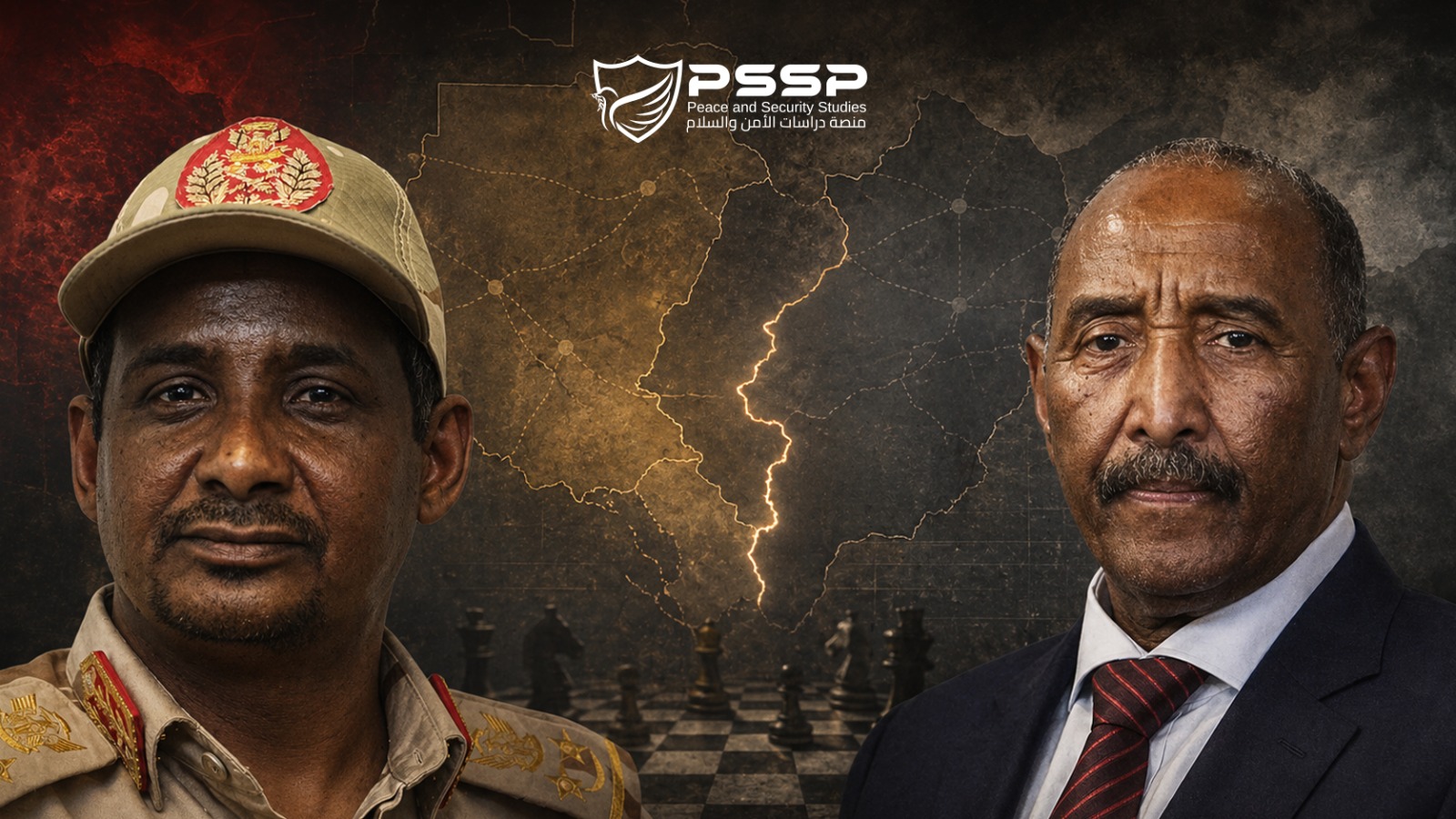
Juba and the Rapid Support Forces (RSF): Support Line or Neutrality Line?
Juba and the Rapid Support Forces (RSF): Support Line or Neutrality Line?

Juba and the Rapid Support Forces (RSF): Support Line or Neutrality Line?
The relationship between Sudan and South Sudan has shifted from a shared history and “good neighborliness” into a complex arena of overlapping regional interests and conflicting security calculations. As Sudan strives to restore its sovereignty and rebuild national institutions, alarming signs suggest that South Sudan’s borders have become a corridor for the Rapid Support Forces (RSF), contradicting bilateral agreements and the principle of neutrality.
1. The Erosion of Neutrality: Cross-Border Dynamics
While Juba officially maintains a stance of neutrality, field reports and international observations paint a contradictory picture:
-
Material Supply Chains: Reports, including those from the Global Initiative Against Transnational Organized Crime (GI-TOC), suggest that elements within South Sudan have facilitated the flow of military supplies to the RSF and allowed the smuggling of gold from RSF-controlled areas.
-
Recruitment and Mercenaries: By late 2025, the Sudan Armed Forces (SAF) reported the capture of numerous South Sudanese nationals fighting within RSF ranks in North Kordofan. Thousands are estimated to be involved as snipers or participants in the large-scale looting of Sudanese cities.
-
The Heglig Paradox: In December 2025, a tripartite agreement was reached to “neutralize” the Heglig oil fields, where the South Sudan People’s Defence Forces (SSPDF) would assume security duties. While this shows economic pragmatism regarding oil revenue, it contrasts sharply with the continued movement of fighters across the same borders.
2. The Geopolitical Impact of “Overlapping Conflicts”
The presence of armed groups active on both sides of the border, such as the SPLM-North, creates a “security vacuum” where a failure in one country inevitably bleeds into the other.
| Feature | Impact on Sudan | Impact on South Sudan |
| Border Porosity | RSF gains a strategic depth and supply route. | Risk of “chaos spillover” into fragile internal regions. |
| Mercenary Activity | Increased lethality of RSF urban warfare. | Erosion of Juba’s military discipline and domestic control. |
| Oil Infrastructure | Disruption of vital export pipelines. | Immediate economic collapse (90%+ of revenue lost). |
3. The Turning Point: Hemedti’s Visit to Juba
The visit of RSF leader Mohamed Hamdan Dagalo (Hemedti) to Juba in early 2026, conducted under a veil of official secrecy, serves as a “litmus test” for South Sudan’s intentions. The visit sparked local protests in Juba, reflecting a popular rejection of the militia’s role. Observers question whether Juba is attempting to act as a genuine mediator or is providing a platform for the RSF to reorganize under political pressure.
4. Future Development Scenarios
Looking ahead to the remainder of 2026, three primary paths emerge for the Khartoum-Juba relationship:
Scenario A: Committed Neutrality
Juba takes decisive action to secure borders, disarmament of cross-border militias, and the extradition of RSF-linked criminals. This would lead to a “Strategic Peace” focused on energy and trade.
Scenario B: Strategic Ambiguity (Current Path)
Juba continues a policy of official neutrality while turning a blind eye to material and mercenary movement. This maintains a state of chronic tension and “proxy-war” suspicion, preventing any real regional recovery.
Scenario C: Open Alliance and Conflict Expansion
Juba openly aligns with the RSF and its unrecognized parallel government in Nyala. This would lead to the total “internationalization” of the conflict, likely triggering counter-interventions from other regional powers and the potential collapse of South Sudan’s own internal security.
Conclusion
Juba stands at a critical crossroads. The stability of Sudan is not merely an internal matter; it is the cornerstone of regional balance. For Juba, the choice is between being a bridge for peace or a corridor for a protracted, uncontrollable conflict. International bodies, including the UN and IGAD, must increase pressure on Juba to ensure its territory remains a neutral zone, preventing the Horn of Africa from becoming a permanent theater for proxy warfare.